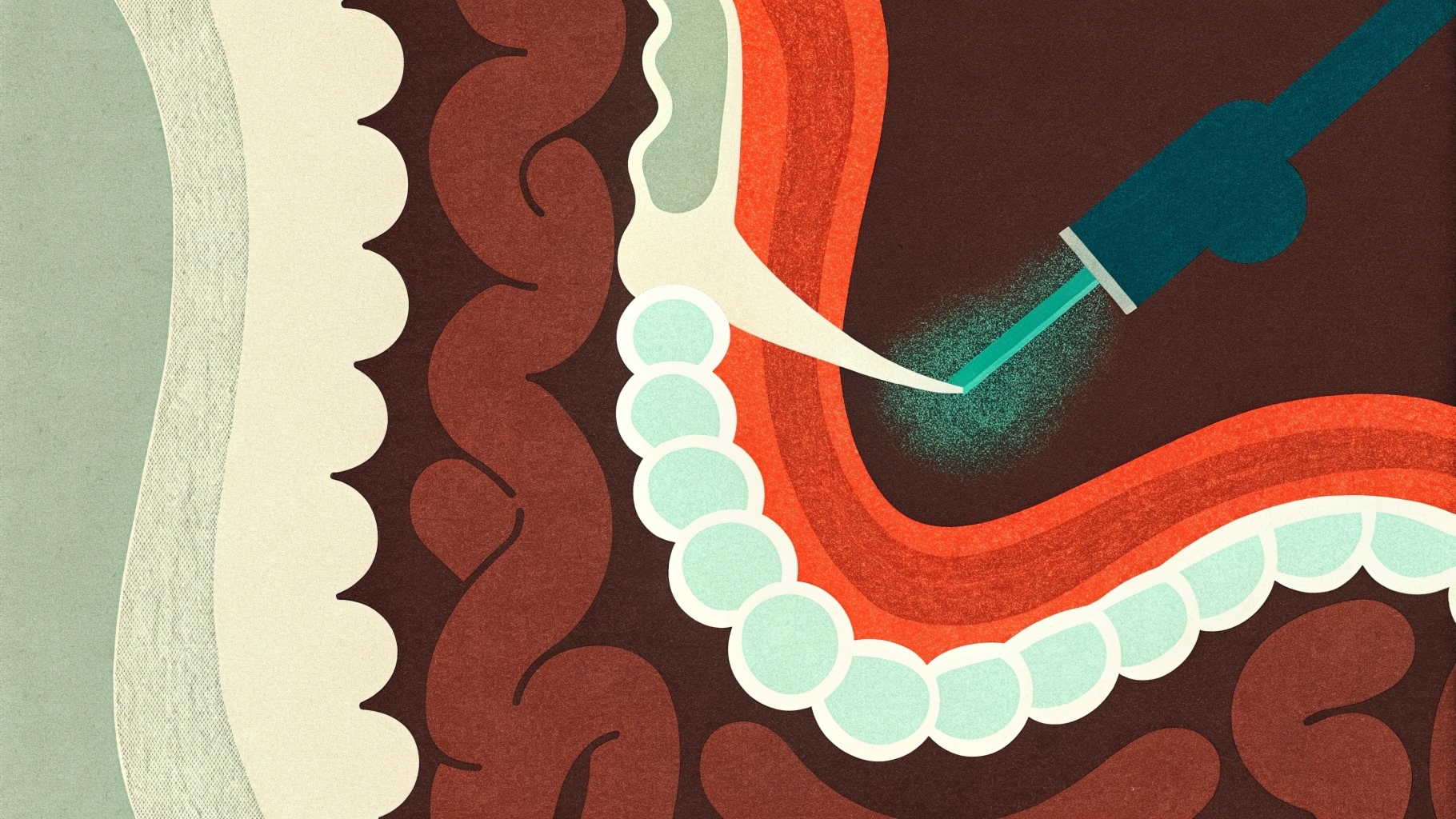
An endoscopy is a medical procedure that gives a direct view inside the organs of the digestive system using an endoscope, a special flexible tube fitted with a camera. It can be used on different parts of the digestive tract, such as the esophagus, stomach and duodenum (gastroscopy) or the large intestine and rectum (colonoscopy).
Endoscopy is essential for:
- Diagnosing inflammation, ulcers, polyps, strictures or tumors.
- Taking biopsies for histological examination.
- Therapeutic procedures such as removing polyps, stopping bleeding (hemostasis) or widening narrowed areas (strictures).

Before
Preparation depends on which part of the digestive tract is being examined:
For a gastroscopy: fasting for 6–8 hours beforehand.
For a colonoscopy: a full bowel cleanse with laxatives and a low-residue diet.
What to be aware of
Let your doctor know about any medications, allergies and previous medical conditions.

After
If sedation is planned, you will need someone to accompany you, and you must not drive after the procedure.
- You are positioned according to the area being examined (e.g. on your left side for a gastroscopy).
- A local anesthetic or sedation is given, if needed.
- The endoscope is carefully inserted and guided to the part of the digestive tract being examined.
- The doctor examines the walls of the organs for any abnormalities, and takes biopsies or carries out other treatment as needed.
- How long it takes varies: 5–15 minutes for a gastroscopy and 15–30 minutes for a colonoscopy, depending on what is needed.
What It Achieves
- Reliable diagnosis of conditions such as gastroesophageal reflux, ulcers, polyps, tumors or inflammation.
- Preventive intervention, as polyps can be removed or samples taken before they develop into serious conditions.
- Tailored treatment, such as stopping bleeding or widening strictures.
The Equipment
The endoscope is a thin, flexible tube with:
- A high-definition camera to view the inside of the organ.
- A working channel for instruments used to take biopsies, remove polyps or stop bleeding.
- A light at the tip for a clearer image
After the Endoscopy
- You will be monitored briefly in the recovery area.
- Mild discomfort or bloating is normal and passes quickly.
- If you were sedated, you should not drive or operate machinery for the rest of the day.
- Biopsy results are shared within a few days, along with guidance on any next steps.
Possible Risks
Endoscopy is generally considered safe. Rarely, the following may occur:
- Irritation of or injury to the lining (mucosa).
- Bleeding after biopsies or polyp removal.
- A reaction to the sedation medication.
- Very rarely, perforation or infection.
Proper preparation and an experienced gastroenterologist significantly reduce these risks.
Do you have questions or do you need advice ;
If you have any questions or would like to book an appointment with Dr. Zachou, contact us using the link below.